
Capsule Wardrobe by Season: Fall, Winter, Spring, and Summer Guides
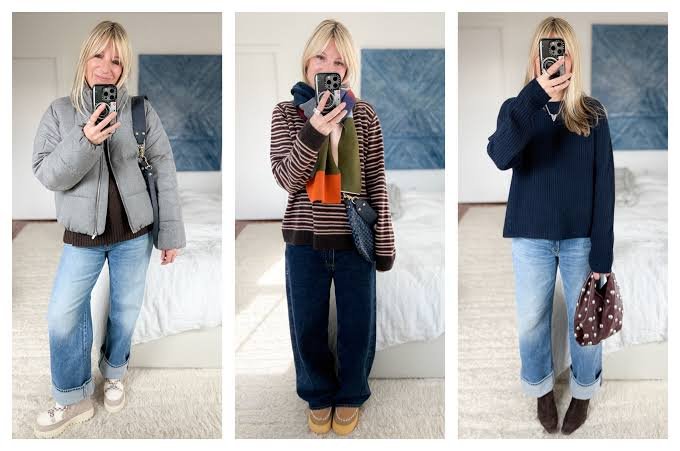
Capsule Wardrobe by Season: Fall, Winter, Spring, and Summer Guides
A single capsule wardrobe rarely covers every season well — what works for a breezy summer rotation usually falls apart the moment temperatures drop. Instead of trying to force one set of clothes to handle every climate shift, building a smaller, season-specific capsule tends to work far better in practice.
This guide breaks down what to include in a capsule wardrobe for each season, plus a version built specifically for work.
Why Build Capsules by Season Instead of One Year-Round Set
- Fewer compromises. A single wardrobe that has to handle both July heat and January cold usually ends up bulkier and less cohesive than it needs to be.
- Easier storage. Off-season pieces get packed away, keeping the active closet smaller and easier to manage.
- More natural color coordination. Seasonal palettes (warm neutrals in fall, brighter tones in summer) tend to coordinate more easily than a palette trying to cover all four seasons at once.
- Less decision fatigue. A tighter, season-specific rotation means fewer options to sort through each morning.
Fall Capsule Wardrobe
Fall calls for layering pieces that transition between warm afternoons and cool evenings.
Core pieces to include:
- 2–3 lightweight sweaters or cardigans
- 1 medium-weight jacket (denim or utility style works well)
- 2–3 pairs of jeans or trousers in warm neutral tones
- 1 pair of ankle boots
- A few long-sleeve tops for layering
- 1 scarf for cooler days
Color palette: Rust, olive, camel, deep brown, and cream tend to work especially well for a cohesive fall capsule.
Winter Capsule Wardrobe
Winter is the most layering-dependent season, so structure matters more here than in any other capsule.
Core pieces to include:
- 1 heavy coat (wool or insulated)
- 2–3 chunky sweaters
- 1–2 base layers (thermal tops, turtlenecks)
- 2 pairs of warm bottoms (wool trousers, fleece-lined jeans)
- 1 pair of tall or weatherproof boots
- Scarf, hat, and gloves as finishing accessories
Color palette: Deep neutrals (black, charcoal, navy) paired with one or two jewel tones keep a winter capsule feeling intentional rather than flat.
Spring Capsule Wardrobe
Spring is transitional, so the focus shifts to lighter layers that can adapt to unpredictable weather.
Core pieces to include:
- 2–3 light cardigans or button-downs
- 1 trench coat or light jacket
- 2 pairs of lighter-weight trousers or jeans
- A few short-sleeve and long-sleeve tops for layering
- 1 pair of flats or lightweight sneakers
- 1 versatile dress that works with or without layers
Color palette: Pastels, soft neutrals, and light florals tend to define spring capsules well without feeling overdone.
Summer Capsule Wardrobe
Summer capsules prioritize breathable fabrics and simplicity over layering.
Core pieces to include:
- 3–4 breathable tops (linen, cotton)
- 1–2 pairs of shorts or lightweight trousers
- 2 dresses (one casual, one slightly dressier)
- 1 pair of sandals and 1 pair of casual sneakers
- 1 light jacket or cardigan for air-conditioned spaces or cooler evenings
Color palette: Brighter tones, whites, and light neutrals tend to work well, since summer capsules generally lean more casual and relaxed.
Work Capsule Wardrobe
A work-specific capsule is less about season and more about function — professional, repeatable, and easy to mix and match across a work week.
Core pieces to include:
- 2–3 tailored trousers or skirts
- 3–4 blouses or button-downs
- 1–2 blazers
- 1 versatile dress (works with or without a blazer)
- 1 pair of low heels or professional flats
- 1 structured bag
Color palette: Neutral bases (black, navy, gray, white) with one or two accent colors keep a work capsule flexible without looking repetitive.
Tips for Transitioning Between Seasonal Capsules
- Overlap the palette slightly. Choosing colors that carry over between adjacent seasons (like camel working for both fall and winter) reduces how much needs to be swapped each time.
- Store off-season pieces properly. Clean and store items before packing them away to avoid damage or odor issues when they come back out.
- Reassess each season. Not everything needs to be repurchased — a quick review of what worked (and what didn’t) from the previous year saves both money and closet space.
Final Thoughts
Building a capsule wardrobe by season rather than trying to cover the whole year at once makes the closet easier to manage and easier to actually get dressed from. Start with whichever season is coming up next, build around 20–25 core pieces, and adjust the palette and layering strategy as the year moves forward.
For a step-by-step approach to building your first capsule from scratch, check out our full capsule wardrobe guide.