
Winter Wear for Women: The Complete Cold-Weather Wardrobe Guide
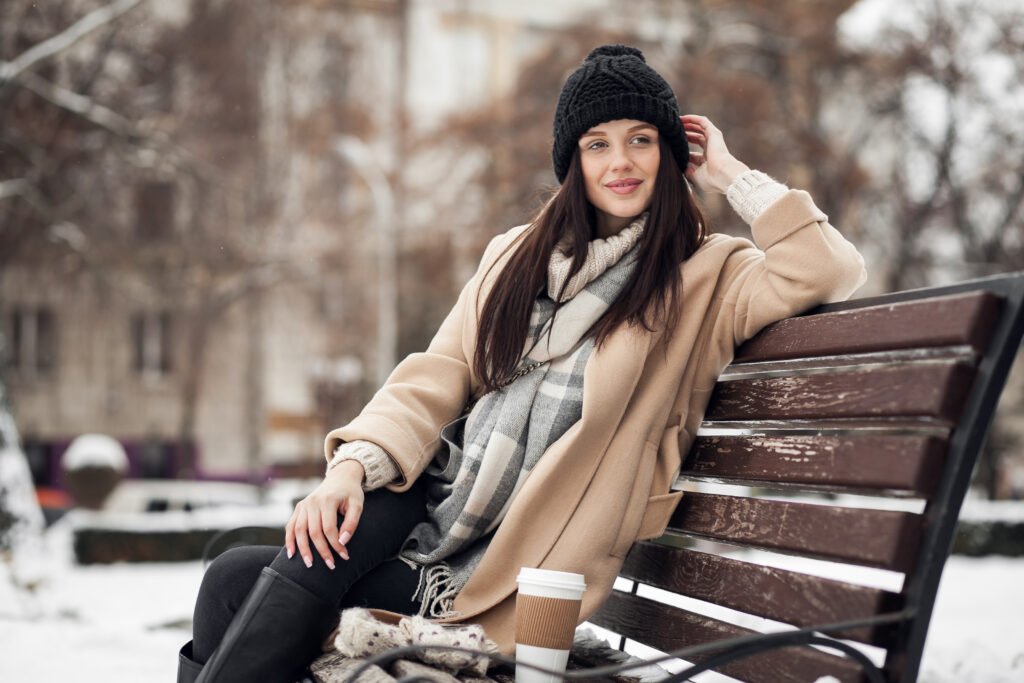
Winter Wear for Women: The Complete Cold-Weather Wardrobe Guide
Building a winter wardrobe that actually works isn’t about owning the most clothes — it’s about owning the right pieces that layer well together. A closet full of separate “winter items” that don’t coordinate ends up just as frustrating as having nothing warm at all.
This guide breaks down exactly what a complete winter wardrobe should include, piece by piece, so getting dressed on cold days stops requiring so much thought.
The Foundation: Base Layers
Base layers sit closest to the skin and are what actually keep you warm — everything else just locks that warmth in.
- Thermal tops and leggings — thin, moisture-wicking, and ideal under other clothing without adding bulk
- Long-sleeve tees and turtlenecks — double as standalone tops or invisible layers under sweaters
- Wool or wool-blend socks — often overlooked, but cold feet undo an otherwise warm outfit fast
The Middle Layer: Where Most of the Warmth Comes From
This is the layer that does the heaviest lifting for actual warmth:
- Sweaters — chunky knits for casual days, finer knits for work or dressier occasions
- Cardigans — easy to add or remove depending on indoor/outdoor temperature shifts
- Flannel shirts — a versatile, slightly rugged middle layer that works over a tee and under a coat
The Outer Layer: Weather Protection
The outer layer is what stands between you and the actual elements, so function matters as much as style here.
- Wool coat — warm, polished, and works for both casual and formal occasions
- Puffer jacket — best for genuinely cold or windy conditions; lightweight but highly insulating
- Trench coat (lined) — a good in-between option for milder winter days
- Parka — ideal for extreme cold, especially with a hood and wind-resistant shell
Owning at least one coat from each category — a polished wool coat and a functional puffer — covers most winter scenarios without over-shopping.
Bottoms That Actually Work in Winter
- Straight or wide-leg jeans — pair well with boots and layer easily over tights
- Wool trousers — a warmer, dressier alternative to jeans for office or formal settings
- Fleece-lined leggings — deceptively warm and versatile enough for both casual and athletic looks
- Corduroy pants — added texture and warmth without looking overly casual
Footwear for Cold Weather
- Ankle boots — the most versatile winter shoe, working with jeans, dresses, and trousers alike
- Tall or knee-high boots — better wind and cold protection, especially useful with dresses or skirts
- Waterproof or weather-treated boots — essential in snow or wet climates
- Warm, supportive sneakers — for casual days that don’t call for boots
Accessories That Make a Real Difference
Accessories are often what separates a “cold” outfit from a genuinely warm one:
- Scarves — both functional (wrapped snugly around the neck) and a quick way to add color
- Gloves or mittens — mittens trap more heat, gloves offer more dexterity
- Beanies or structured hats — a significant amount of body heat is lost through the head, making this one of the highest-impact accessories
- Tights — turns dresses and skirts into legitimate winter options rather than warm-weather-only pieces
Building a Capsule-Style Winter Wardrobe
For anyone trying to avoid overbuying, a focused winter wardrobe can realistically be built around:
- 3–4 base layer tops
- 2–3 sweaters or cardigans
- 1 wool coat + 1 puffer jacket
- 2–3 bottoms (jeans, trousers, leggings)
- 2 pairs of boots (ankle + tall or weatherproof)
- 1 scarf, 1 hat, 1 pair of gloves
This is enough to mix and match into dozens of outfit combinations without the closet feeling overcrowded.
Common Winter Wardrobe Mistakes
- Owning too many single-purpose items — a coat that only works with one outfit isn’t earning its space in the closet
- Skipping base layers — relying entirely on a heavy coat while wearing thin clothing underneath rarely holds up in genuinely cold weather
- Ignoring footwear traction — stylish boots with no grip become a liability in ice or snow
- Buying everything in one color — a small range of coordinating colors makes more outfit combinations possible than an all-black or all-neutral closet alone
Final Thoughts
A strong winter wardrobe comes down to layering strategy more than sheer quantity of clothing. Cover the base, middle, and outer layers with a handful of quality pieces, add the right footwear and accessories, and cold weather stops being something to just survive through — it becomes just another season to get dressed for.
For more cold-weather styling ideas, take a look at our guide to winter outfit ideas for ways to put these wardrobe pieces together.
How to Style a Cardigan: Outfit Ideas for Every Season
[…] for more layering ideas to build a full seasonal wardrobe? Check out our guide on winter wear for women for more cold-weather layering […]